Chapter 18 - Female Reproductive System
The organs of the female reproductive system are the ovaries, oviducts, uterus, vagina, placenta, and mammary glands. They work together for the production of female gametes (oocytes), fertilization, support of the developing fetus, delivering it to the outside world, and nutrition of the newborn.
Ovary
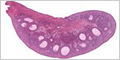
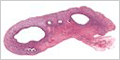
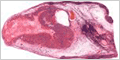
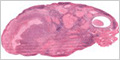
The ovaries are responsible for the production of an oocyte ( oogenesis ) and secretion of female sex hormones ( estrogen and progesterone ). When it releases a mature ovum, it travels down the oviduct to the uterus.


Oviduct
The oviducts (uterine tubes; fallopian tubes) are fibromuscular tubes that transport an ovulated ovum from the ovary to the uterus. Fertilization usually takes place in the oviduct.



Uterus
The uterus is the muscular organ that nourishes and supports the growing embryo.


Uterine (menstrual) Cycle
The uterine cycle is divided into three phases based on changes in the inner surface of the uterus (endometrium):
- Menstruation (days 1 to 4)- in the absence of implantation, the cells die off, shed and pass out as menstrual bleeding
- Proliferative phase (days 5 to 14) - grows and proliferates into a thick, blood vessel-rich lining
- Secretory phase (days 15 to 28) - secretions rich in glycogen to support development of the embryo





Cervix
The cervix is the lower end of the uterus that opens into the vagina. During menstruation, it allows the passage of menstrual fluid from the uterus. In childbirth, it widens (dilates) to allow passage of the baby from the uterus to the outside world.


Vagina
The vagina is a fibromuscular tube that connects the uterus to the opening of the external genitalia.
Placenta
The placenta develops during pregnancy to support the developing fetus by producing hormones, transferring nutrients and waste products between the mother and the fetus.


Mammary Gland
Mammary glands are responsible for the production of milk (lactation) for nutrition of a newborn.